An AI-Ready Website is one that people can use easily, and AI tools can understand clearly. If your pages are simple, scannable, and built around real questions, you get better leads and better “answer” visibility.
Why UX Now Affects AI Experience
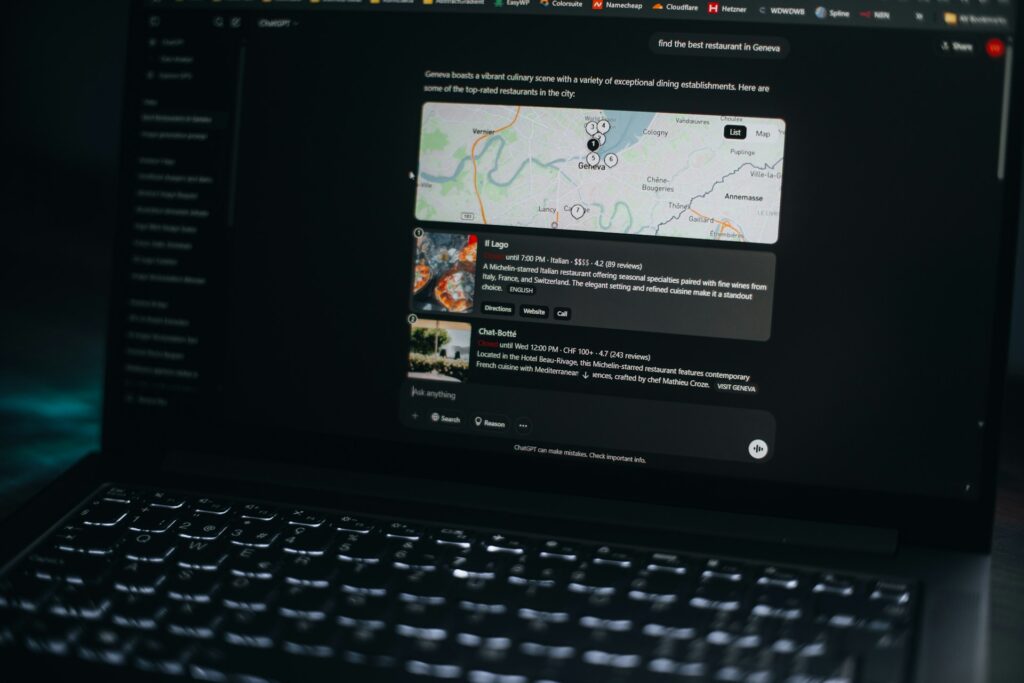
UX is how your site feels to a human. AI experience is how your site “reads” to an assistant that is trying to answer someone’s question.
Here is the overlap. When people get stuck, they leave. That sends messy signals. When your content is unclear, AI tools also struggle to pull a clean answer. In both cases, your site becomes easy to skip.
So the goal is not fancy design. The goal is low friction and clear meaning.
The On Page Signals That Help Humans And AI
You do not need a full redesign. Small fixes can do a lot.
Start with these basics.
- One page, one job. Each key page should have one clear purpose, like “book a call” or “learn about a service.”
- Clear headings. Use headings that sound like questions people ask.
- Short paragraphs. One to three sentences is enough.
- Simple lists. Steps and checklists are easy to scan and easy to reuse.
- Plain language. Avoid buzzwords. Say what you do in normal words.
- Strong labels. Buttons should say what happens next, not “submit.”
If a visitor can understand your offer in 10 seconds, you are on the right track.
How To Structure Content For Answer Style Search
A lot of search is becoming “answer first.” People ask a tool what to do, and it tries to respond right away.
To help that happen, write like this.
- Put the direct answer near the top of the page.
- Add a short explanation in plain words.
- Use a few examples so it feels real.
- Add a small FAQ section with clear questions.
- End with one next step.
This structure works even if rankings change, because the page is still useful and easy to understand.
Where LLM SEO Fits Without Feeling Like Hype
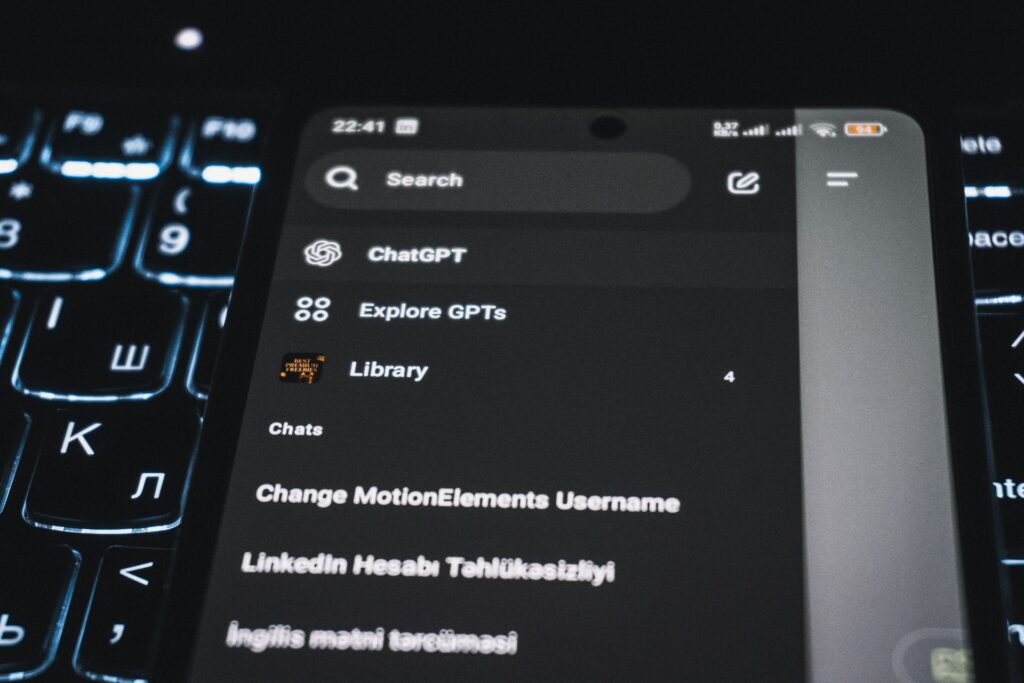
You might hear the term LLM SEO and think it is a new trend. It is really just a new way people find information.
Instead of only chasing keywords, you also help AI tools trust and quote your page. That means you care about clarity, structure, and proof.
Proof can be simple. Add real details, like what you do, who it is for, and what someone should expect. When your content is specific, it feels safer to use.
A Simple Checklist You Can Use This Week
If you want a quick win, pick one important page and run this checklist.
- Does the page answer one clear question.
- Is the main point in the first few lines.
- Are headings easy to understand.
- Are there short lists and steps.
- Is the next step obvious.
- Does it feel trustworthy and current.
Do this on one page per week. That steady work adds up fast.



0 Comments