How Does Coastal Japan Shape A Kosher Travel Experience?
Coastal Japan gives a soft, changing backdrop to every day of your trip. Modern ports, fishing towns, and quiet islands each add their own color and rhythm. On a kosher touring journey, you move between them in comfort while still keeping Jewish life at the center.
From the ship you see long shorelines, layered hills, and busy harbors full of small boats. On land, streets swing from neon brightness to calm side alleys in just a few steps. You might visit castles, old districts, and peaceful parks that show how the country holds both the past and the future at once. The water simply ties these very different places together into one clear story.
Why Do Galleries, Gardens, And Temples Feel So Meaningful?
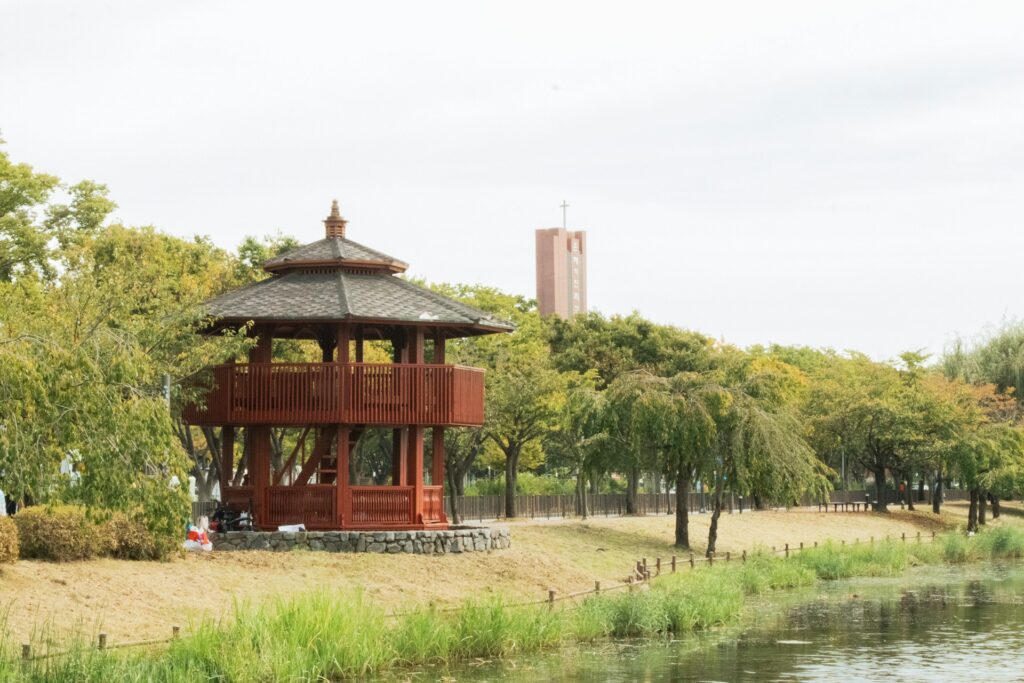
Museums, galleries, and historic sites along the route are where the deeper feelings often rise. They sit on shore, not on the ship, so you must step into the cities to find them. When you do, you stand inside spaces shaped by many hands and many years.
In Japan you may walk through modern art museums, then move on to bonsai centers, pottery collections, or quiet national gardens. In South Korea, a day in a “museum without walls” like Gyeongju lets you move among tombs, pagodas, and carved stone. Temples, shrines, and memorial parks add another layer, mixing beauty with memory and sometimes with pain. These visits help many Jewish travelers think about time, loss, and hope in a new way, even far from home.
How Do Life On Board And Shore Visits Work Together?
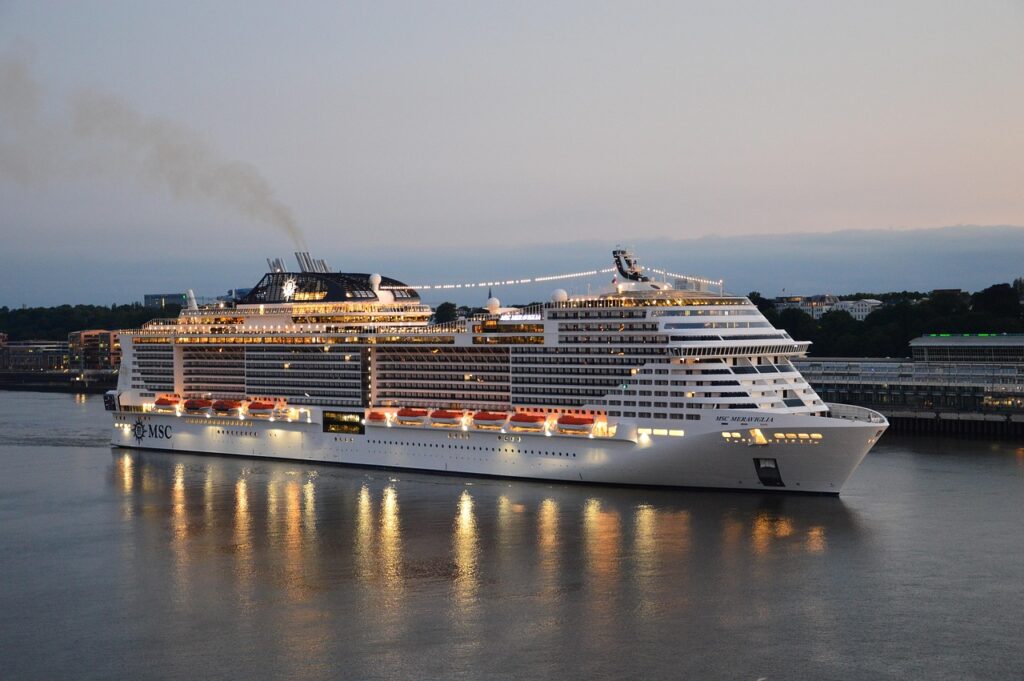
Life on board gives you a steady, familiar base while the world outside keeps changing. You have kosher meals, Shabbat, and space for learning and rest, so you do not need to worry about the basics each day. This makes it easier to give your full attention to the cities and landscapes when you go ashore.
During the voyage, guides and guest speakers often explain local history, faith, and culture in simple, clear ways. After visiting a peace memorial or an old district, you can come back to the lounge and talk about what you saw. Across many jewish cruises, this mix of guided touring and shared reflection is what guests remember most. It feels less like ticking off sights and more like slowly weaving a travel story together as a small community.
How Can You Bring Home The Art And Stories You Discover?
You can bring home more than photos by paying attention to small details. A painted shop sign, a line of calligraphy, or a stone gate at the entrance to a garden can stay in your mind for years. When you notice them on purpose, they become part of your personal collection of memories.
Many travelers keep a simple journal and write a few lines each evening about one view, one sound, and one feeling from the day. Others sketch a torii gate, a castle roof, or the outline of a temple against the sky. Onboard activities, like talks, songs, or light cultural workshops, give more chances to turn what you saw into words or drawings. By the end of the trip, you are carrying your own “exhibition” of moments from Japan and South Korea, each one linked to Jewish time, Jewish practice, and your days at sea.



0 Comments